
One of the most common questions our patients in the Bay Area ask about fat transfer is: what actually happens to the fat after it’s transferred? The short answer is that some of the transferred fat becomes a permanent part of the treatment area, while a portion is naturally reabsorbed by the body during healing.
How Fat Transfer Works
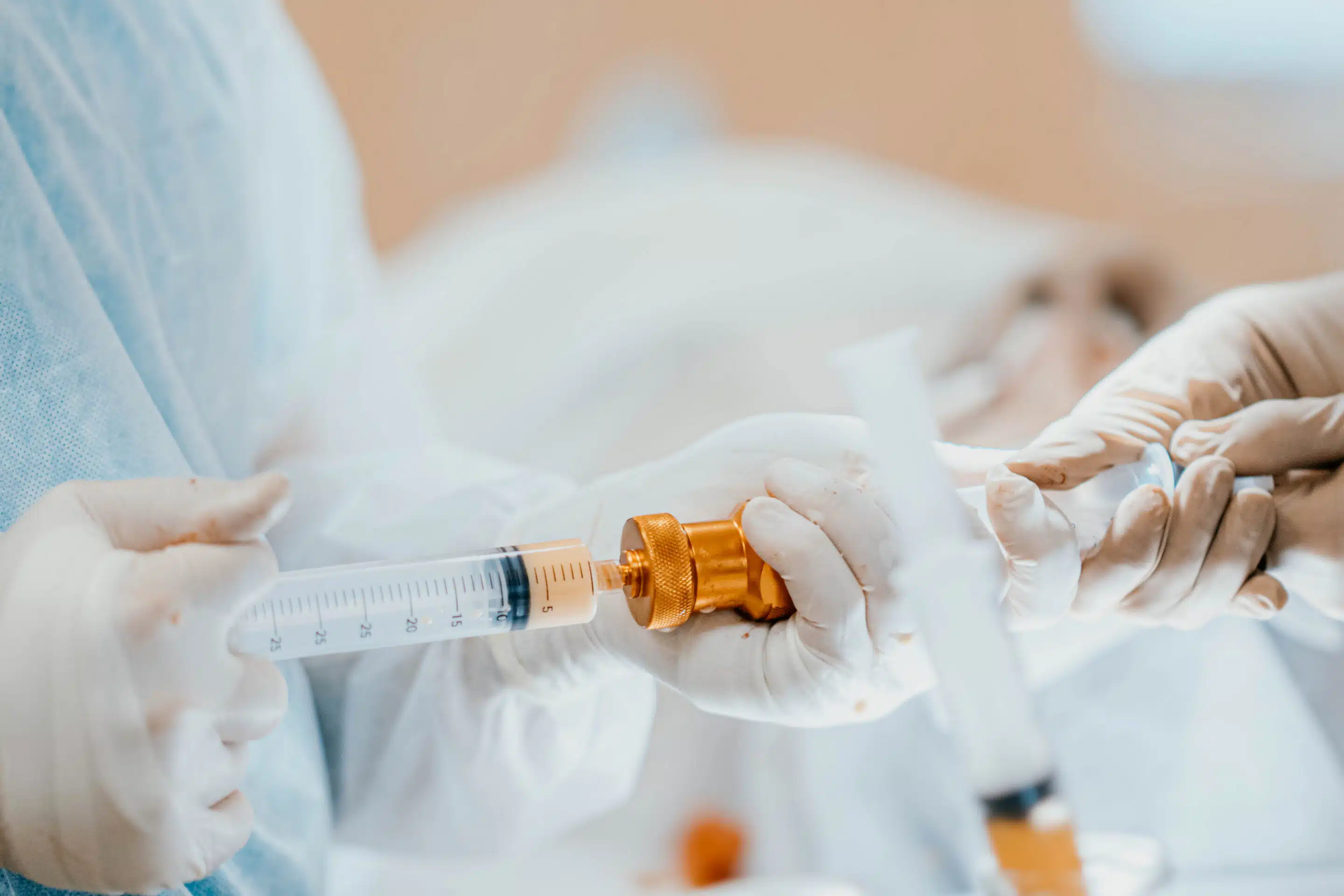
A fat transfer procedure involves three basic steps:
- Fat is removed from one area of the body using liposuction. Common donor areas include the abdomen, thighs, flanks, or back.
- The fat is purified and prepared.
- The processed fat is injected into the treatment area, such as to restore facial volume, enhance the breasts, or add fullness to the buttocks (Brazilian Butt Lift).
What Happens Right After Fat Transfer?
Once the fat is injected, the healing process begins immediately. At first, the transferred fat does not have its own blood supply. During the first several days, the cells depend on nearby tissue for oxygen and nutrients while new blood vessels begin to form.
The first two to four weeks after surgery are often considered the most important period for fat survival. During this time, newly transferred fat cells are establishing connections with surrounding tissues and developing a new blood supply.
Some swelling, bruising, and firmness are completely normal during this stage. In many cases, the treated area initially appears larger than the final result because surgeons intentionally place slightly more fat to account for natural absorption.
Patients are usually instructed to avoid putting pressure on the treated area during early recovery. Protecting the transferred fat helps improve survival of the fat cells.
Why Some Fat Survives and Some Does Not
Not all transferred fat becomes permanent. After surgery, the body naturally reabsorbs some of the fat cells. This is expected with every fat grafting procedure. In general, about 60% to 80% of transferred fat survives long term, although results vary.
The fat cells that successfully develop a blood supply remain alive and become a permanent part of the treated area. The cells that do not survive are gradually absorbed by the body over time.
Several factors can affect fat survival, including:
- Surgical technique
- Blood supply in the treatment area
- Smoking or nicotine use
- Overall health
- Post-operative care
An experienced cosmetic surgeon will place small amounts of fat in multiple layers and locations throughout the area to maximize contact with healthy tissue and improve long-term retention.
When Will Final Results Appear?
Fat transfer results change throughout the healing process. During the first few weeks, swelling may create a fuller appearance. As swelling subsides and some fat is absorbed, the area begins to settle into its final shape. Patience is important during recovery since temporary fluctuations are normal.
Most patients see more stable results around three months after surgery, though subtle changes may continue for several months. Because the procedure uses living fat cells from your own body, the results often look and feel more natural than synthetic alternatives.
Does Transferred Fat Last?
The fat that survives is generally considered permanent. Once established, the transferred fat behaves like normal fat elsewhere in the body. This means the cells can grow or shrink with weight changes. Maintaining a stable weight helps preserve results long-term.
While surviving fat cells are considered permanent, the natural aging process continues. For example, facial fat transfer can provide long-lasting volume restoration, but changes in skin elasticity will still occur over time.
The Importance of Proper Recovery
Following post-operative instructions closely is key for optimal outcomes. You will be advised to:
- Avoid smoking and nicotine
- Stay hydrated
- Wear compression garments as directed
- Avoid pressure on treated areas
- Limit strenuous activity during early recovery
Healing takes time, and protecting the transferred fat during the first several weeks is essential.
Personalized Fat Transfer with Dr. Gorman
Dr. Paul Gorman at GLOW Surgical Arts offers advanced fat transfer procedures for the face, breasts, and body, helping patients from throughout the Bay Area achieve natural-looking enhancement using their own tissue.
With over 20 years in practice, Dr. Gorman creates balanced, refined results that complement each patient’s unique anatomy. Every treatment plan is customized based on the patient’s goals, body structure, and desired outcome.
Learn More About Fat Transfer at GLOW Surgical Arts
Understanding what happens to transferred fat can help you make an informed decision about whether fat grafting is right for you. If you are considering fat transfer, contact GLOW Surgical Arts today to schedule a consultation with Dr. Gorman.
During your consultation, Dr. Gorman can explain how fat transfer works, discuss expected retention rates based on your treatment area, and develop a personalized plan to help you achieve natural-looking results.
Our team is proud to serve patients from San Francisco, Oakland, San Jose, Redwood City, The Bay Area, Fresno, and throughout the Bay Area at our state-of-the-art cosmetic surgery practice in Fremont.