


Facial fat grafting is a popular cosmetic surgery procedure that helps restore lost volume in the face, enhancing the skin’s youthful radiance. This minimally invasive procedure uses your own fat, offering a natural, more subtle look compared to synthetic fillers.
What Facial Fat Grafting Can Treat:
- Nasolabial Folds (Smile Lines): The deep lines that run from the nose to the corners of the mouth.
- Marionette Lines: The lines that run from the corners of the mouth down to the chin.
- Frown Lines: The lines that develop between the eyebrows.
- Facial Scars: Improving the appearance of scars through volume restoration.
- Overall Facial Rejuvenation: Giving the entire face a more youthful, refreshed look.
Why Choose Autologous Fat Transfer (Fat Grafting)?
Fat grafting, which uses your body’s own fat for the treatment, offers several benefits:
- Reduced Risk of Allergic Reactions: Since the fat is from your own body, there is little risk of an allergic reaction.
- Long-Lasting Results: Fat grafting produces results that last longer than dermal fillers, making it a more durable solution for facial rejuvenation.
- Improved Skin Quality: The natural growth factors found in the transferred fat can also help improve skin quality, giving you a healthier and more youthful appearance.
If you’re considering how fat grafting can restore volume and youthfulness to your face, a consultation with a trained and experienced cosmetic surgeon is essential. Based on your facial features, health, and aesthetic goals, your surgeon will help determine if you are a good candidate for facial fat grafting.
By choosing facial fat grafting, you can enjoy a more youthful, contoured look that enhances your natural beauty without the need for synthetic fillers.
What is Face Fat Grafting?
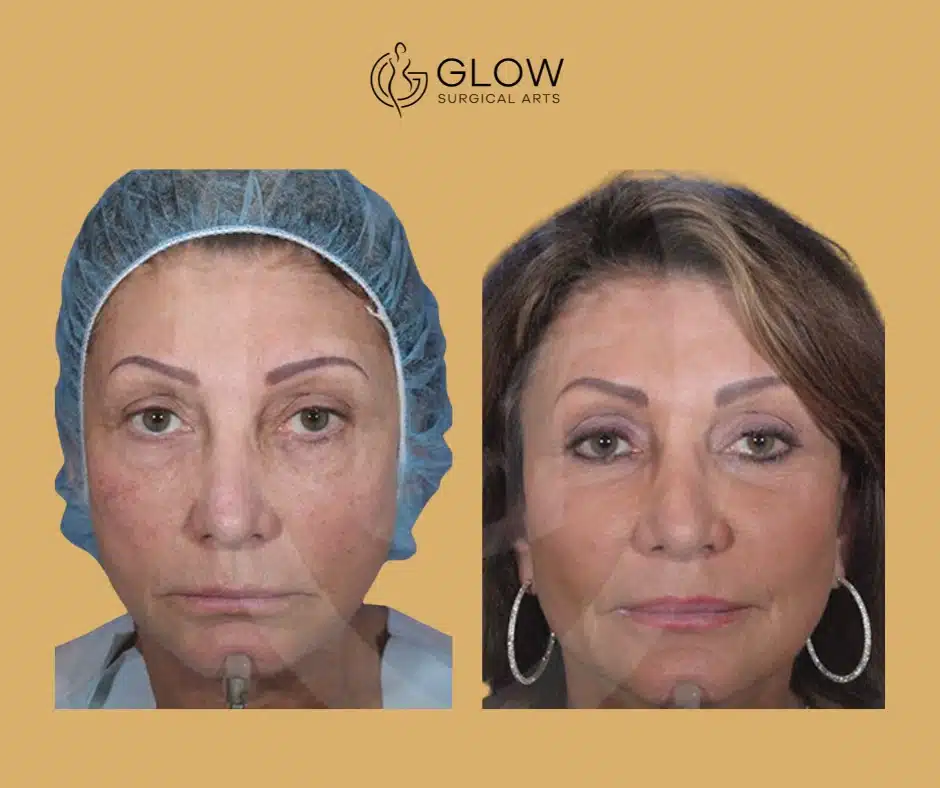
Face fat grafting, sometimes referred to as facial fat transfer, is a cosmetic surgery method used to restore facial volume by means of fat transfer from one area of your body to rejuvenate sections of the face suffering volume loss.
How the treatment is performed:
- The procedure begins with the extraction of fat from donor areas, such as the abdomen, thighs, or flanks.
- The fat is then processed and purified to ensure only healthy fat cells are used.
- Healthy fat cells are then injected into targeted areas to add volume and smooth wrinkles.
The operation may be carried out under local or mild anesthesia with sedation depending on the degree of treatment required.
Although recovery time frames vary, most patients have little downtime; edema fades gradually, usually in two weeks, allowing a quick return to normal activities.
Benefits of Fat Grafting for Facial Rejuvenation
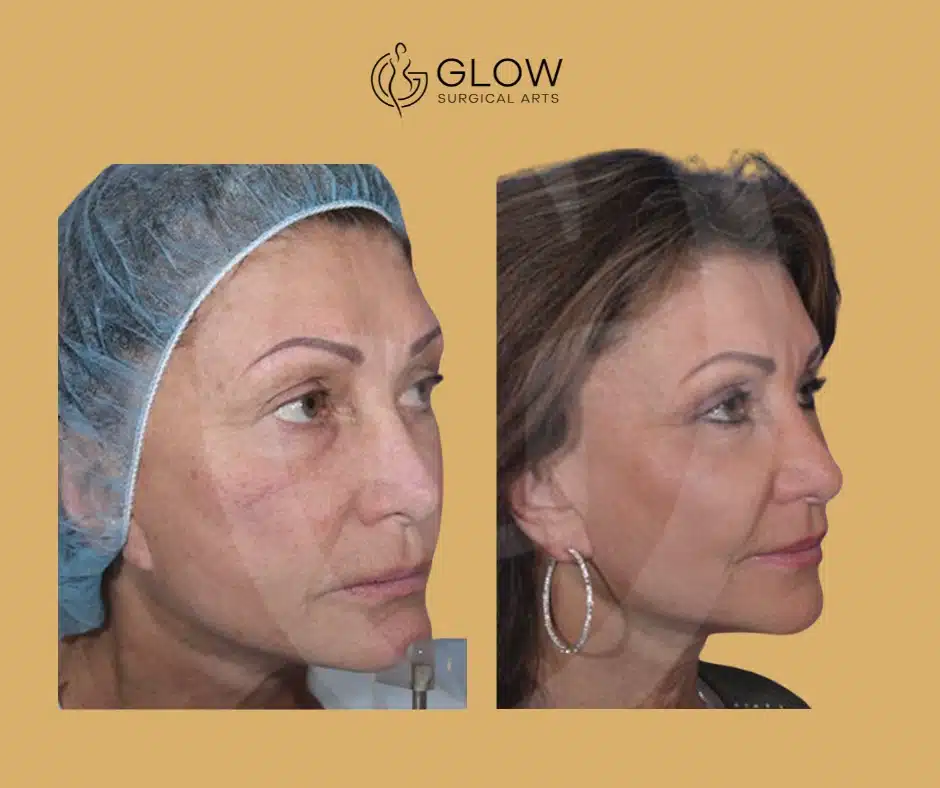
1. Natural, Enduring Results
Since fat grafting uses your own fat cells, there is no risk of rejection or allergic reaction, which makes this procedure safe and well-tolerated.
Natural integration of the transferred fat with your facial structure helps to restore young form and fullness. Unlike dermal fillers, which need regular touch-ups, results from fat transfer can persist for years, so it is a more permanent fix for facial volume loss and aging.
2. Dual Benefit: Contouring & Rejuvenation
Apart from restoring lost volume in the face, fat grafting helps eliminate extra fat from places like the abdomen, thighs, or flanks. This dual-action treatment enhances the general form and definition of the body by recycling fat from one location to another, therefore restoring facial volume.
3. Improves Skin Quality
The natural growth elements and platelet-rich plasma (PRP) in the transplanted fat improve elasticity and skin texture. By lowering the visibility of facial scars and supporting a more youthful, rejuvenated look, this surgery can help minimize flaws.
4. Reduces Wrinkles & Restores Youthful Contours
By gently softening the look of noticeable lines like nasolabial folds, marionette lines, and frown lines, fat grafting offers a smoother and more youthful expression. Where age-related volume loss typically occurs, the surgery can also restore volume to the cheekbones, temples, jawline, and under-eye hollows.
The Fat Grafting Procedure: Step by Step
Step 1: Consultation & Planning
The initial phase of the fat grafting process involves a detailed consultation with the cosmetic surgeon, who will assess the facial anatomy and discuss the client’s aesthetic goals.
Along with addressing further information on the operation, recovery expectations, and possible hazards for a better knowledge of the process, the surgeon will assess the areas that call for rejuvenation and determine the suitable amount of fat to be transferred.
Step 2: Fat Extraction
The surgery starts with liposuction to clear the fat removal zone. Common donor sites where extra fat is generally more plentiful are the abdomen, flanks, and thighs. Wearing a compression garment may be advised following liposuction to help reduce edema and support the healing process at the donor site.
Step 3: Fat Processing
Careful purification of the extracted fat guarantees the removal of superfluous fat and contaminants, therefore ensuring that only the healthiest fat cells are transferred. Microfat and nanofat techniques may be applied to target specific and delicate areas, such as under the eyes or around the lips.
Step 4: Fat Injection
The purified fat is injected into targeted areas of the face to enhance volume, smooth wrinkles, and improve facial contours. In addition to its volumizing effects, the growth factors naturally present in the fat help the regeneration of skin cells, improving skin texture, elasticity, and tone.
Step 5: Recovery & Healing
Usually, patients experience swelling for about two weeks. Following post-procedural care guidelines—which may include avoiding blood thinners, refraining from smoking, and restricting intense activity—helps to guarantee a seamless recovery. Once the swelling resolves, the full results of the procedure become visible, revealing a more youthful and refreshed appearance.
Risks & Considerations of Facial Fat Transfer
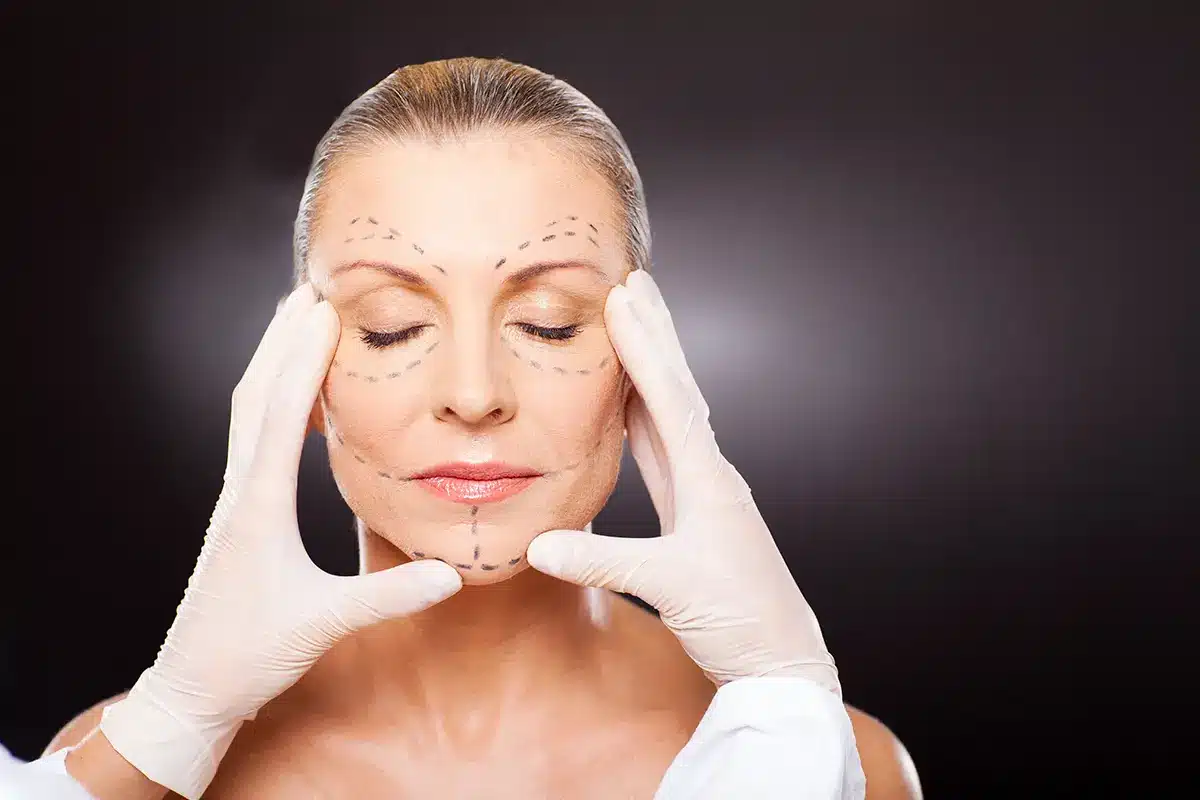
1. Not All Transferred Fat Survives
The body may gradually absorb some of the deposited fat. In those situations, a second session may be required to guarantee best outcomes and reach the desired aesthetic finish. This is a normal part of the process and can vary depending on individual factors.
2. Fat Embolism Risk
Although rare, inappropriate injection methods can occasionally cause fat embolism—that is, when fat cells unintentionally enter the bloodstream. Choosing a qualified and experienced cosmetic surgeon knowledgeable in fat transfer techniques will help to reduce the likelihood of this problem.
3. Recovery Time
Mild swelling and bruising are common after the procedure and typically last for about . one week. Following post-treatment guidelines helps to guarantee optimal healing during this recovery phase. Patients are warned against strong physical activity as well as blood thinners since they raise their risk of bruising and prolonged swelling.
4. Time-Consuming Compared to Fillers
Fat grafting differs from dermal fillers in that the material used comes directly from the patient’s own body, requiring additional steps in the procedure. The fat must first be carefully extracted and then processed before being re-injected into the targeted areas. This extra time spent on extraction, preparation, and re-injection makes fat grafting a more time-intensive procedure.
While it requires more time, it also allows for more natural and long-lasting results compared to dermal fillers.
Fat Grafting vs. Dermal Fillers: Which is Right for You?
| Factor | Fat Grafting | Dermal Fillers |
| Material Used | Patient’s own fat cells |
Synthetic fillers like Hyaluronic Acid (HA), Calcium Hydroxylapatite (CaHA), Polymethylmethacrylate (PMMA) |
| Longevity | Long-lasting (years) | Temporary (6–18 months) |
| Volume Loss Treatment | Effective for lost facial volume | Good for minor volume loss |
| Skin Quality Improvement | Enhances skin with natural growth factors | No additional skin benefits |
| Procedure Complexity | Requires fat transfer procedure | A simple injection of a pre-made substance |
| Allergic Reaction Risk | None (autologous) | Possible with synthetic fillers |
| Recovery Time | One week of swelling | Minimal downtime |
- Good candidate for facial fat grafting: Those experiencing volume loss and want less invasive procedures with natural, long-lasting results.
- Good candidate for dermal fillers: Those seeking a quick, non-invasive solution, open for returning touch-up treatments every 6–18 months.
Is Facial Fat Grafting Right for You?
Fat grafting is a natural and efficient means of restoring lost volume and rejuvenating the face. This surgery can provide long-lasting, natural effects, improve face contours, and smooth out wrinkles.
Benefits include:
- Replenishing lost facial volume.
- Diminishing the appearance of smile lines, marionette lines, and frown lines.
- Refined facial contours for a fuller, more natural look.
Looking for a lasting solution to volume loss? Schedule a consultation today and discuss your options for a youthful appearance with our surgeon for facial fat grafting!